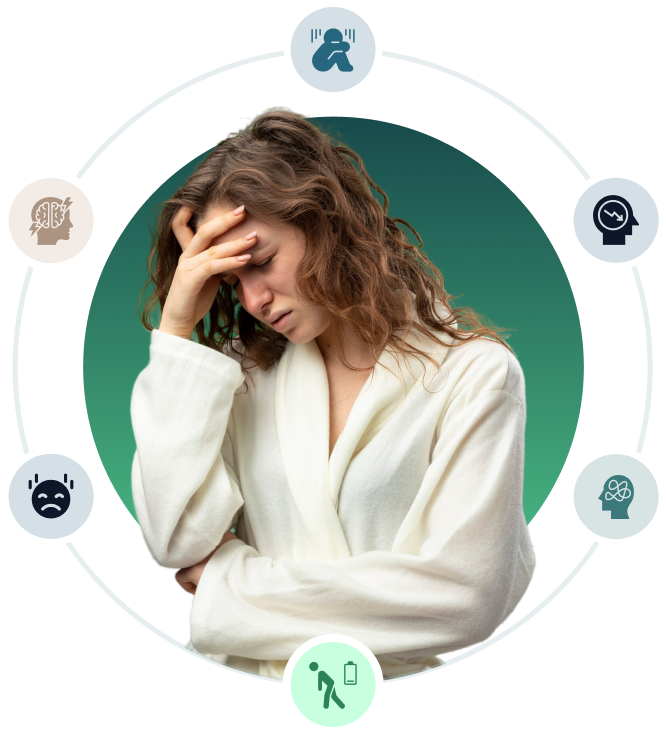
Everyone experience feelings of melancholy or hopelessness at time, but when those feelings become persistent, intense, and make it hard to function through day-to-day life, you may be experience depression, a common but serious mental health disorder.
Depression Overview
Depression can make it difficult to eat, work, sleep, or take care of yourself and others. It is more than just an emotion: it can cause uncomfortable physical sensations and intrusive thoughts. Additionally, depression can be worsened by difficult life circumstances, other mental health conditions, or medical conditions, Depression is one of the most universally experienced mental health conditions, so if you are battling it, know that you aren’t alone. Treatment for depression is usually highly effective and help is available for you.
Talking about depression – and reaching out for help – is often stigmatized by society, which makes it hard for people battling depression to get the help they need. This is all the more reason why educating yourself and ithers about what depression is – what its symptoms and causes are, and how to get treatment for it – is vital.
Types of Depression
Just as symptoms of depression may be experienced differently by different people, depression itself has many variations. Types of depression vary according to the kind of symptoms people experience, the circumstances that trigger the depression, as well as other overlapping mental health conditions that have depressive symptoms.
It’s possible to experience more than one type of depression at once. The best way to find out what type of depression you are experiencing is to visit your doctor or psychiatrist for a diagnosis. For example, you might be someone who has bipolar disorder and experiences postpartum depression after having a baby. Or you may have a persistent depressive disorder which gets exacerbated by seasonal affective disorder in the wintertime.
Major Depressive Disorder
Major Depressive Disorder is considered the “classic” type of depression. People who experience this type of depression have persistent symptoms and may feel like there is a dark cloud around them most of the time. They may lose interest in activities that once brought them joy, and may have trouble completing everyday tasks. The most common symptoms of major depressive disorder include issues with sleeping, eating, and weight loss or gain. It is typical to experience feelings of extremely low self-esteem and worthlessness. Some people with major depressive disorder also have suicidal thoughts. Those who suffer from major depressive disorder can be treated with therapy and/or medication.
Persistent Depressive Disorder
Major Depressive Disorder is considered the “classic” type of depression. People who experience this type of depression have persistent symptoms and may feel like there is a dark cloud around them most of the time. They may lose interest in activities that once brought them joy, and may have trouble completing everyday tasks. The most common symptoms of major depressive disorder include issues with sleeping, eating, and weight loss or gain. It is typical to experience feelings of extremely low self-esteem and worthlessness. Some people with major depressive disorder also have suicidal thoughts. Those who suffer from major depressive disorder can be treated with therapy and/or medication.
Bipolar Disorder
Major Depressive Disorder is considered the “classic” type of depression. People who experience this type of depression have persistent symptoms and may feel like there is a dark cloud around them most of the time. They may lose interest in activities that once brought them joy, and may have trouble completing everyday tasks. The most common symptoms of major depressive disorder include issues with sleeping, eating, and weight loss or gain. It is typical to experience feelings of extremely low self-esteem and worthlessness. Some people with major depressive disorder also have suicidal thoughts. Those who suffer from major depressive disorder can be treated with therapy and/or medication.
Seasonal Affective Disorder
Major Depressive Disorder is considered the “classic” type of depression. People who experience this type of depression have persistent symptoms and may feel like there is a dark cloud around them most of the time. They may lose interest in activities that once brought them joy, and may have trouble completing everyday tasks. The most common symptoms of major depressive disorder include issues with sleeping, eating, and weight loss or gain. It is typical to experience feelings of extremely low self-esteem and worthlessness. Some people with major depressive disorder also have suicidal thoughts. Those who suffer from major depressive disorder can be treated with therapy and/or medication.
Seasonal Affective Disorder
Major Depressive Disorder is considered the “classic” type of depression. People who experience this type of depression have persistent symptoms and may feel like there is a dark cloud around them most of the time. They may lose interest in activities that once brought them joy, and may have trouble completing everyday tasks. The most common symptoms of major depressive disorder include issues with sleeping, eating, and weight loss or gain. It is typical to experience feelings of extremely low self-esteem and worthlessness. Some people with major depressive disorder also have suicidal thoughts. Those who suffer from major depressive disorder can be treated with therapy and/or medication.
Symptoms of Depression
Symptoms of depression can be found in behaviors, thought patterns, emotions, physical, and mental health.
Behavioral pattern symptoms of depression can look like:
Not wanting to socialize or go out
Withdrawing
Change in work habits
Using alcohol and drugs
Having difficulty concentrating
Causes Overview
According to the World Health Organization (WHO), more than 280 million people live with depression globally. There are various possible causes of depression, and often the mood disorder results from a combination of factors.
Continue reading to learn more about what can cause depression. Research has discovered a lot about the causes and triggers of depression. Understanding this treatable mental health condition can help you become better able to navigate depression symptoms and live a happier life.
How Does a Doctor Diagnose Depression?
If you’ve been in a continuously depressed mood lately, it’s normal to be wondering: How do I get diagnosed with depression? Doctors look for certain key symptoms when diagnosing someone for depression. They consult the Fifth Edition of the Diagnostic and Statistical Manual of Mental Disorders (DSM-5) to make a depression diagnosis. The DSM-5 states you need to have experienced at least 5 of the following symptoms, for a minimum of two weeks, to be diagnosed with major depressive disorder (MDD).
Sadness
Appetite change
Inability to focus
Irritability and agitation
Consistent lack of energy
Feeling worthless or guilty
Repetitive thoughts of suicide
Problems falling asleep
Medical records
How to Treat Depression
Depression is a daunting, overwhelming mental health condition. During its worst moments, it can darken your mood and make you unable to feel. It can twist your thinking and dampen the pleasures you once enjoyed. Depression can stifle creative forces and virtually deplete most, if not all, of your hope in life.
If this is resonating with you, it’s important that you understand: depression is common. It’s so prevalent today, studies show that in the United States alone last year, more than 21 million adults experienced one or more major depressive episodes.
There is some good news, though. Depression is treatable, and with the right information and tools, you can learn how to manage it. If you’re wondering: how do you treat depression, you’re not alone — many people living with depression are looking for help so they can get back to enjoying their life.
Distress tolerance
Mindfulness
Interpersonal effectiveness
Medication management
Therapy for Depression
Depression is a debilitating mood disorder that affects between 12-18% of adults in the United States each year. One of the answers to how to treat depression is therapy. Fortunately, various types of psychotherapy have been known to effectively treat depression. Each has its own specialized benefits, but not all therapy is the same. It’s worth looking at each of the major types of therapy for depression that are available. Then you can begin on the most effective path toward managing your depression.
Your goals for therapy
The type of depression you have
Your depressive symptoms and severity
Your own personal choices
Your willingness or ability to “put in the work” (at therapy)
Medications to Treat Depression
While depression is a common mental health condition that can begin at any age in life, it’s most commonly diagnosed in early adulthood. Because depression affects the brain, some medication for depression has proven beneficial for treatment. The American Psychiatric Association (APA) estimates that anywhere from 80% – 90% of people who seek treatment for their depression see positive results.
Irritability
Feelings of hopelessness
Insomnia
Sleeping excessively
Weight gain or loss
Having a short temper or reacting quickly
Persistent and often uncontrollable thoughts about bad things happening
An inability or lack of motivation to take care of yourself
Feeling unable to carry out your daily responsibilities
How It Works
It all starts with scheduling an appointment for new patient evaluation.
Streamlined Process
Appointment Scheduling: Choose a convenient appointment time online or call us at 844-325-4647 for assistance. Welcome Email: Receive a personalized welcome email from our team.
Electronic Intake: Complete intake paperwork easily and securely online.
Cost Estimate: Get an estimated cost for your visit upfront.
Collaborative Care
Comprehensive Treatment Plan: Our staff collaborates with your current providers to develop a holistic treatment plan.
Access to Past History: We assist in gathering relevant past treatment history at your and your provider’s discretion.
Accessible Support via the patient portal. Messages will go directly to your care provider.
Why Wait?
Don’t wait to start achieving your mental health goals. The sooner you start, the sooner you can discover better habits – and enjoy better results. Get started for free today!
This content does not provide medical advice. It is intended for information purposes only. It is not a substitute for professional medical advice, diagnosis or treatment.
If you think you may have a medical or psychiatric emergency call 911. Call 988 for the National Suicide Prevention Hotline. Text HOME to 741-741 if you are in a crisis or chat via webpage or Whatsapp.