

Propranolol
Propranolol Online Prescription Management
Discover if Propranolol is the optimal solution for addressing your symptoms of anxiety, panic attacks, or symptoms associated with post-traumatic stress disorder (PTSD), and seek guidance from a mental health expert for personalized recommendations.
Propranolol is covered by most insurance

What is Propranolol?
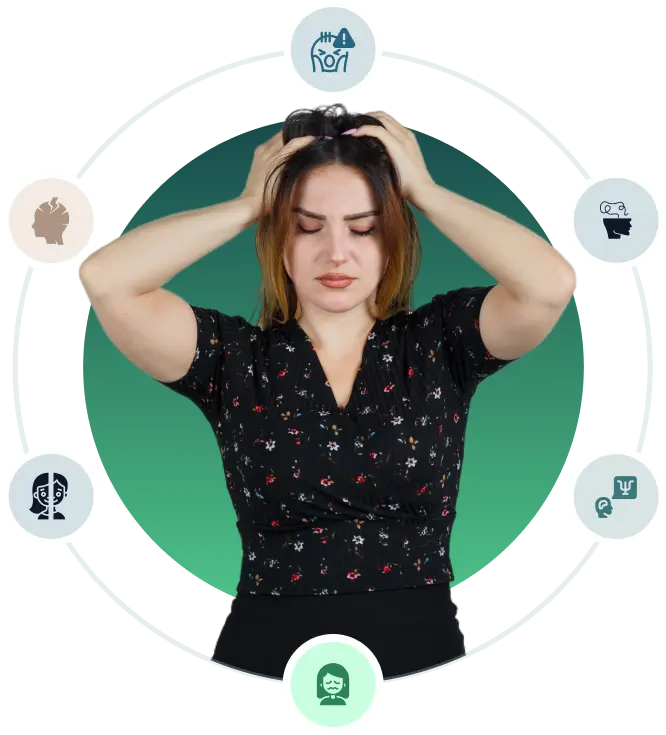
Propranolol is sometimes used off-label to address certain mental health conditions, particularly those involving symptoms of anxiety. While it doesn’t directly treat the underlying psychological causes of anxiety, it can help manage physical symptoms associated with anxiety disorders. This includes symptoms like tremors, rapid heartbeat (palpitations), sweating, and shaky hands. By blocking the physical manifestations of anxiety, propranolol can provide relief for individuals experiencing performance anxiety, social anxiety disorder, and situational anxiety. However, it’s essential to consult with a healthcare professional to determine the appropriateness of using propranolol for mental health concerns and to ensure safe and effective treatment.
What is Propranolol used to treat?
Propranolol is commonly used to treat anxiety disorders, panic attacks, and symptoms of post-traumatic stress disorder (PTSD) by alleviating physical manifestations of anxiety and stress.

Anxiety Disorders

Panic Attacks

Post-Traumatic Stress Disorder
A brighter future awaits. Now is your opportunity!
1. Schedule Online Visit
Schedule your initial visit with a provider to establish care and setup your custom health treatment plan.
2. Start Treatment Plan
Your provider will outline a comprehensive treatment plan for your diagnosis which may include prescribed medicines.

FAQs
Lorem Ipsum is simply dummy text of the printing and typesetting industry. Lorem Ipsum has been the industry’s standard dummy text ever since the 1500s.
What is the recommended method for administering Propranolol?
The recommended method for administering Propranolol varies depending on the condition being treated and individual factors. Typically, Propranolol is taken orally, with or without food, as directed by a healthcare provider. The dosage and frequency of administration will be determined by the severity of the condition and the patient’s response to treatment. It’s essential to follow the prescribed dosage and administration instructions provided by your healthcare provider to ensure safe and effective use of Propranolol.
What are the possible adverse effects of Propranolol?
Propranolol, like any medication, may cause adverse effects in some individuals. Common side effects of Propranolol include fatigue, dizziness, lightheadedness, nausea, stomach upset, diarrhea, constipation, and trouble sleeping. Some people may also experience cold extremities, shortness of breath, or a slow heartbeat. In rare cases, Propranolol can lead to more severe side effects such as fainting, mood changes, depression, hallucinations, or unusual thoughts. Additionally, Propranolol may mask symptoms of low blood sugar, making it difficult to recognize hypoglycemia in individuals with diabetes. It’s essential to report any unusual or persistent side effects to your healthcare provider promptly. For a full list of potential side effects and precautions please review the full precribing information.
How does Propranolol affect an individual?
Propranolol affects individuals by blocking the action of certain natural chemicals in the body, including adrenaline. By doing so, it helps to reduce heart rate, blood pressure, and the workload on the heart. This can result in decreased symptoms of anxiety, such as rapid heartbeat, trembling, and sweating. Additionally, Propranolol can prevent migraines by relaxing blood vessels in the brain and reducing the frequency and severity of migraine attacks. In some cases, Propranolol may also be used to manage symptoms of essential tremor or to prevent certain types of heart rhythm disorders. Overall, Propranolol helps to alleviate physical symptoms associated with anxiety, migraine, and other conditions, allowing individuals to feel more comfortable and function better in their daily lives.
How Does Propranolol function in the body?
Propranolol functions in the body by blocking the effects of adrenaline on certain receptors, particularly beta receptors. These receptors are found in various tissues and organs throughout the body, including the heart, blood vessels, and brain. By blocking the action of adrenaline, Propranolol reduces heart rate, blood pressure, and the force of heart contractions. This leads to a decrease in symptoms of anxiety, such as rapid heartbeat and trembling, as well as a reduction in blood pressure. In addition, Propranolol can prevent the constriction of blood vessels in the brain, which helps to reduce the frequency and severity of migraine attacks. Overall, Propranolol’s mechanism of action helps to regulate physiological responses to stress and anxiety, promoting a sense of calmness and relaxation.
What side effect of Propranolol is most frequently encountered?
The most frequently encountered side effect of Propranolol is fatigue or tiredness. Other common side effects may include dizziness, lightheadedness, nausea, upset stomach, vomiting, diarrhea, and difficulty sleeping (insomnia). These side effects are often mild and may improve as the body adjusts to the medication. However, if any of these side effects persist or worsen, it is important to consult a healthcare professional for further evaluation and guidance.
How soon does Propranolol take effect?
Propranolol’s onset of action varies depending on the condition being treated and individual response. It typically starts to take effect within 30 minutes to an hour after administration when used to manage symptoms such as rapid heartbeat (palpitations), tremors, and anxiety associated with certain conditions like performance anxiety or stage fright. However, for conditions like high blood pressure (hypertension) or migraine prevention, it may take several days to weeks of consistent use to see the full therapeutic benefits. It’s essential to follow your healthcare provider’s instructions regarding dosing and timing for optimal effectiveness. If you have any concerns about the timing of Propranolol’s effects, it’s best to discuss them with your healthcare provider.
How It Works
It all starts with scheduling an appointment for new patient evaluation.


Streamlined Process
- Appointment Scheduling: Choose a convenient appointment time online or call us at 844-325-4647 for assistance.
Welcome Email: Receive a personalized welcome email from our team. - Electronic Intake: Complete intake paperwork easily and securely online.
- Cost Estimate: Get an estimated cost for your visit upfront.


Collaborative Care
- Comprehensive Treatment Plan: Our staff collaborates with your current providers to develop a holistic treatment plan.
- Access to Past History: We assist in gathering relevant past treatment history at your and your provider’s discretion.


Comprehensive Support
- On-Demand Resources: Access our free mental health bootcamp program and our blog free learning platform.
- Accessible Support via the patient portal. Messages will go directly to your care provider.
Why Wait?
Don’t wait to start achieving your mental health goals. The sooner you start, the sooner you can discover better habits – and enjoy better results. Get started for free today!
This content does not provide medical advice. It is intended for information purposes only. It is not a substitute for professional medical advice, diagnosis or treatment.
If you think you may have a medical or psychiatric emergency call 911. Call 988 for the National Suicide Prevention Hotline. Text HOME to 741-741 if you are in a crisis or chat via webpage or Whatsapp.