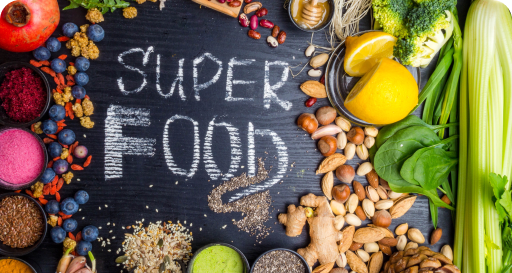



In today’s fast-paced world, maintaining optimal mental health, focus, and brain function is more important than ever. Fortunately, one of the most powerful tools at our disposal is right on our plates. By making mindful dietary choices, we can nourish our brains and support our overall well-being. In this guide, we’ll explore the concept of “Eat This, Not That,” offering practical tips and insights to help you make informed decisions about your diet for enhanced mental health and cognitive function.
Understanding the MIND Diet
At the heart of our dietary approach lies the MIND diet – a research-backed eating pattern designed to promote brain health and reduce the risk of cognitive decline. Derived from the Mediterranean and DASH diets, the MIND diet emphasizes whole, nutrient-dense foods that have been shown to support cognitive function and protect against neurodegenerative diseases like Alzheimer’s.
Eat This: Brain-Boosting Foods
Leafy Greens: Incorporate plenty of leafy greens such as spinach, kale, and Swiss chard into your meals. Rich in vitamins, minerals, and antioxidants, these greens provide essential nutrients that nourish the brain and support cognitive function.
Fatty Fish: Savor servings of fatty fish like salmon, mackerel, and trout, which are packed with omega-3 fatty acids. These essential fats play a crucial role in brain health, helping to improve mood, enhance memory, and reduce inflammation.
Berries: Indulge in the vibrant colors and flavors of berries – blueberries, strawberries, raspberries, and blackberries. These antioxidant-rich fruits are known for their neuroprotective properties, aiding in memory retention and cognitive function.
Nuts and Seeds: Snack on a variety of nuts and seeds, including almonds, walnuts, flaxseeds, and chia seeds. These nutrient-dense snacks provide healthy fats, vitamins, and minerals that support brain health and improve focus.
Not That: Foods to Limit or Avoid
Processed Foods: Minimize your intake of processed and packaged foods, which are often high in refined sugars, unhealthy fats, and artificial additives. These foods can contribute to inflammation in the body and impair cognitive function over time.
Sugary Beverages: Work to eliminate sugary beverages such as soda, fruit juices, and energy drinks, which can lead to blood sugar spikes and contribute to inflammation and cognitive decline. Energy drinks, due to their high caffeine content, may elevate cortisol levels, impacting adrenal function and potentially exacerbating mental health issues like anxiety and insomnia. Excessive consumption can lead to dependency, tolerance, and adverse cardiovascular effects, underscoring the importance of moderation and consideration of individual health factors.
Seed Oils: Steer clear of foods containing seed oils, such as fried foods, margarine, and processed snacks. Seed oils have been associated with heightened inflammation and an elevated risk of heart disease and cognitive decline.
Genetically Modified Wheat: Exercise caution with foods containing genetically modified wheat due to potential health hazards. Consumption has been associated with heightened inflammation, which can contribute to chronic health conditions such as heart disease and cognitive decline. Additionally, genetically modified wheat may disrupt the body’s natural processes and microbiome, potentially leading to digestive issues and compromised immune function.
Alcohol: While the traditional Mediterranean diet incorporates modest amounts of red wine, it’s crucial to steer clear of excessive consumption or binge drinking. Gender differences exist in alcohol intake recommendations. National health organizations, like the CDC, advise the following limits:
– Women: Limit to 1 drink or less per day
– Men: Limit to 2 drinks or less per day
Recently, Canada revised its alcohol guidelines based on new evidence, recommending even lower alcohol intake levels (2 drinks a week) than those suggested by the CDC. This underscores the importance of mindful alcohol consumption and aligns with evolving research on its health impacts.
Conclusion: Nourish Your Brain, Nourish Your Life
In addition to making smart food choices, practicing mindful eating can further support your mental health and well-being. Take the time to savor each bite, chew slowly, and pay attention to your body’s hunger and fullness cues. By cultivating a mindful approach to eating, you can enhance your enjoyment of food and promote greater satisfaction and balance in your diet.
Mindful Eating for Mental Wellness
Incorporating the principles of “Eat This, Not That” into your daily diet can have a profound impact on your mental health, focus, and overall brain function. By choosing nutrient-rich foods that support cognitive health and minimizing the consumption of processed and inflammatory foods, you can empower yourself to live a life filled with vitality, clarity, and well-being.
Are you ready to embark on a journey to nourish your brain and elevate your mental wellness? Start today by making small, sustainable changes to your diet and experiencing the transformative power of food for yourself.