


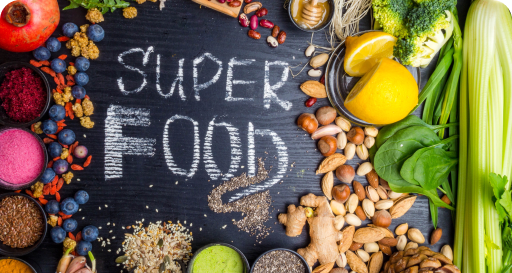
In the modern era, dining has become exceedingly convenient, with Americans enjoying unparalleled access to a diverse array of foods. However, amidst this abundance, misinformation about what truly constitutes a healthy diet has proliferated. Many individuals have been misled by conventional dietary guidelines, such as the food pyramid, or by fleeting fad diets. Instead, a nutritious diet should prioritize natural foods that are easily digested and promote enhanced mental health. Below, we’ve curated a list of wholesome foods brimming with health benefits, capable of significantly enhancing both physical and mental well-being.
Superfoods
Superfoods are nutrient-dense foods that are particularly beneficial for overall health, including mental well-being and cognitive function. Incorporating these superfoods into your diet can provide essential nutrients and antioxidants that support brain health and cognitive performance.
Here are some superfoods known for their positive effects on mental health and cognitive function:
Fatty Fish
Rich in omega-3 fatty acids, fatty fish such as salmon, mackerel, and sardines are essential for brain health. Omega-3s play a crucial role in cognitive function, mood regulation, and reducing inflammation in the brain. You can find a list of inflammation reducing foods in our article Inflammation and Your Plate: Unveiling the Impact of Dietary Choices on Mental Health
Blueberries
Blueberries are packed with antioxidants, including flavonoids and anthocyanins, which have been linked to improved memory, cognitive function, and protection against age-related cognitive decline.
Leafy Greens
Leafy greens like spinach, kale, and Swiss chard are excellent sources of vitamins, minerals, and antioxidants, including vitamin K, folate, and lutein. These nutrients support cognitive function, protect against cognitive decline, and reduce the risk of neurodegenerative diseases.
Nuts and Seeds
Nuts and seeds, such as walnuts, almonds, flaxseeds, and chia seeds, are rich in healthy fats, vitamins, minerals, and antioxidants. They provide essential nutrients for brain health, including omega-3 fatty acids, vitamin E, and magnesium.
Dark Chocolate
Dark chocolate with a high cocoa content is rich in flavonoids, which have been shown to improve blood flow to the brain, enhance cognitive function, and promote mood regulation. Consuming moderate amounts of dark chocolate can have positive effects on mental health and well-being.
Avocados
Avocados are a source of healthy fats, including monounsaturated fats and omega-3 fatty acids, which support brain health and cognitive function. They also contain vitamins and minerals, such as vitamin K, folate, and potassium, which are essential for overall health.
Berries
In addition to blueberries, other berries such as strawberries, raspberries, and blackberries are rich in antioxidants, vitamins, and phytochemicals that support brain health, improve memory, and protect against cognitive decline.
Turmeric
Turmeric contains curcumin, a compound with powerful anti-inflammatory and antioxidant properties. Curcumin has been shown to support brain health, improve mood, and protect against neurodegenerative diseases like Alzheimer’s.
Eggs
Eggs are a rich source of choline, a nutrient that is essential for brain health and cognitive function. Choline plays a role in neurotransmitter synthesis and memory formation, making it important for overall cognitive health.
Incorporating these superfoods into your diet as part of a balanced and varied eating pattern can provide essential nutrients and antioxidants that support mental health, cognitive function, and overall well-being. Remember to enjoy a diverse range of foods to ensure you’re getting a wide array of nutrients for optimal brain health.
Keen on delving deeper into the MIND diet and its benefits? Check out our latest blog post:“Eat This, Not That” – A Guide to Enhancing Mental Health, Focus, and Brain Function.
The Science:
MIND diet linked to better cognitive performance
Adherence to MIND diet inversely associated with odds and severity of anxiety disorders.
MIND diet associated with reduced incidence of Alzheimer’s disease