


In recent years, there has been growing recognition of the significant impact of inflammation on mental health and cognitive function.
Science and current evidence show the immune system helps to keep our whole body in tune and healthy including our brain! In certain situations, our immune system can trigger short term and helpful neuroinflammation, or inflammation in the brain. Some of our brain cells are supported by the immune system and play a protective role in helping with protecting our brain from injury and even have a role in helping us with memory and learning!
However, in cases of chronic stress as well as lifestyle factors such as a poor diet and lack of physical activity, this balance of inflammation can spiral out of control and become a chronic state in the brain. Chronic, or long lasting, neuroinflammation can eventually lead to too much cell death or loss of brain tissues and cells. dementia.
Emerging research suggests that chronic inflammation, often fueled by dietary factors, can contribute to the development and exacerbation of various mental health disorders, including depression, anxiety, and cognitive decline.
Inflammatory Foods: Culprits in Mental Health
Processed Foods: High consumption of processed and refined foods, including sugary snacks, processed meats, and fried foods, is associated with increased inflammation in the body. These foods often contain high levels of refined carbohydrates, unhealthy fats, and additives, which can trigger inflammatory responses.
Sugary Beverages: Excessive intake of sugary beverages, such as soda, fruit juices, and energy drinks, can lead to spikes in blood sugar levels and promote inflammation. Additionally, these beverages lack essential nutrients and contribute to an imbalance in gut microbiota, further exacerbating inflammation.
Trans Fats: Trans fats, commonly found in processed foods, margarine, and fried foods, are known to promote inflammation and increase the risk of various health conditions, including cardiovascular disease and depression.
Highly Processed Oils: Vegetable oils like corn, soybean, and sunflower oils, which are commonly used in processed and fried foods, contain high levels of omega-6 fatty acids. An imbalance between omega-6 and omega-3 fatty acids in the diet can contribute to systemic inflammation.
Impact of Inflammation on Mental Health and Cognitive Function
Depression and Anxiety: Chronic inflammation has been linked to the development and persistence of depression and anxiety disorders. Inflammatory markers, such as C-reactive protein (CRP) and interleukin-6 (IL-6), have been found to be elevated in individuals with depression, suggesting a potential role of inflammation in the pathophysiology of these disorders.
Cognitive Decline: Inflammation has also been implicated in cognitive decline and neurodegenerative diseases such as Alzheimer’s disease and dementia. Chronic low-grade inflammation can contribute to neuronal damage, impaired synaptic function, and the accumulation of beta-amyloid plaques, all of which are hallmarks of cognitive decline.
Brain Fog and Impaired Concentration: Even in the absence of clinical depression or cognitive impairment, chronic inflammation can manifest as subtle cognitive symptoms such as brain fog, impaired concentration, and difficulties with memory and learning.
Mitigating Inflammation for Mental Well-being
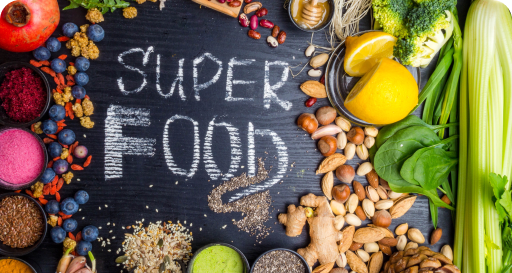
Anti-Inflammatory Diet: Adopting an anti-inflammatory diet rich in whole, unprocessed foods, including fruits, vegetables, whole grains, lean proteins, and healthy fats, can help reduce inflammation in the body and support mental health and cognitive function.
Omega-3 Fatty Acids: Incorporating sources of omega-3 fatty acids, such as fatty fish (salmon, mackerel, sardines), flaxseeds, chia seeds, and walnuts, into your diet can help balance the omega-6 to omega-3 ratio and mitigate inflammation.
Antioxidant-Rich Foods: Consuming foods rich in antioxidants, such as berries, leafy greens, nuts, and seeds, can help neutralize free radicals and reduce oxidative stress, which contributes to inflammation.
Mindful Eating: Practicing mindful eating, which involves paying attention to hunger and fullness cues, savoring each bite, and making conscious food choices, can help foster a healthy relationship with food and reduce reliance on inflammatory dietary patterns.
By understanding the connection between inflammatory foods and mental health/cognitive function, individuals can make informed dietary choices to support their overall well-being. Embracing an anti-inflammatory lifestyle that prioritizes whole, nutrient-dense foods can be a powerful strategy for promoting mental clarity, emotional resilience, and cognitive vitality.
Keen on delving deeper into the MIND diet and its benefits? Check out our latest blog post:“Eat This, Not That” – A Guide to Enhancing Mental Health, Focus, and Brain Function.