


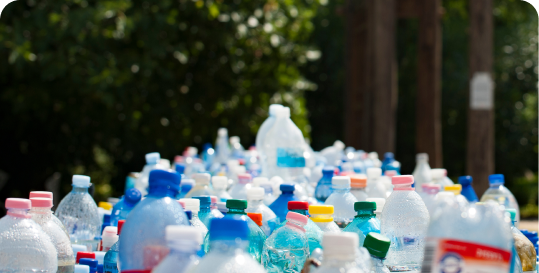
Plastic is omnipresent in our modern world, serving various purposes from food packaging to household essentials. However, growing concerns revolve around the potential impact of plastics on human health, particularly mental well-being. In this article, we delve into the intricate relationship between plastics and mental health, exploring the phenomenon of endocrine disruption and its implications for overall well-being.
Understanding Endocrine Disruption:
Endocrine disruptors are chemicals that interfere with the body’s endocrine system, responsible for regulating hormone production and function. Plastics harbor several such chemicals, including bisphenol A (BPA) and phthalates, recognized as known endocrine disruptors. These compounds can leach out of plastics, entering the environment and potentially being ingested or absorbed by humans.
The Impact on Mental Health:
Research indicates that exposure to endocrine disruptors found in plastics may correlate with adverse mental health outcomes. For instance, studies have associated BPA exposure with heightened risks of depression, anxiety, and other mood disorders. Similarly, phthalate exposure has been linked to behavioral issues in youth and symptoms of depression and anxiety in adults.
Mechanisms of Action:
The precise mechanisms by which plastics and their associated chemicals affect mental health are still under scrutiny. Nevertheless, it is theorized that endocrine disruptors could interfere with neurotransmitter function, disrupt hormone levels, and upset the delicate balance of brain chemistry. Such disruptions may lead to mood disturbances, cognitive impairments, and other mental health challenges.
How Plastics Enter the Human Body:
Plastics can infiltrate the human body through various avenues, including ingestion, inhalation, and dermal absorption. Commonly, plastic exposure occurs through food and beverages stored or packaged in plastic containers. When heated or in contact with acidic or fatty foods, chemicals like BPA and phthalates can leach into them, leading to ingestion of harmful compounds. Additionally, airborne particles from plastic products or dust containing plastic residues can be inhaled, while skin contact with plastic items or personal care products containing plastics can result in dermal absorption.
Steps to Minimize Exposure:
- Opt for Safe Food and Beverage Containers: Choose glass, stainless steel, or other non-plastic containers for storing and heating food and drinks, especially when using microwaves or hot liquids.
- Avoid Plastic Packaging: Prefer fresh, whole foods and shun processed or packaged items enclosed in plastic. Opt for products stored in glass, paper, or cardboard containers instead.
- Use Natural Personal Care Products: Inspect labels of personal care items like cosmetics, lotions, and shampoos to avoid those containing plastic microbeads or other plastic ingredients. Opt for products made with natural, biodegradable alternatives.
- Filter Drinking Water: Employ water filters certified to remove contaminants, including plastic residues, from tap water. Consider investing in a filtration system for your home or using a portable water filter for on-the-go hydration.
- Minimize Plastic Exposure at Home: Be mindful of plastic items in your home environment, such as PVC-based flooring, vinyl shower curtains, and plastic toys. Consider replacing them with safer alternatives made from natural materials.
- Choose Eco-Friendly Products: Support companies prioritizing sustainability and offering plastic-free alternatives for everyday items like straws, utensils, and food storage solutions. Seek products labeled as biodegradable, compostable, or made from renewable materials.
- Advocate for Change: Raise awareness about the environmental and health risks linked to plastics and support policies and initiatives aimed at reducing plastic production and consumption. Encourage businesses and policymakers to prioritize plastic-free alternatives and invest in sustainable solutions.
Conclusion:
While plastics have become an integral part of modern life, their extensive use may come with consequences for mental well-being. By understanding the interplay between plastics and mental health, individuals can proactively mitigate exposure to harmful chemicals and safeguard their overall health. Through informed choices and collective action, we can strive towards a healthier, plastic-free future for generations to come.
The Science:
Plastics pose threat to human health
Study shows endocrine disrupting effects of micro and nanoplastic particles